Best Peptide Serums UK 2026: The Ones That Actually Work
If your skincare routine still doesn’t include a peptide serum, 2026 is the year to change that. The best peptide serums UK shoppers can buy right now range from under £13 to well over £100 – but not all of them are worth your money.
In This Article
- What Peptides Actually Do for Your Skin
- The Best Peptide Serums UK 2026: Tested and Ranked
- The Ordinary Multi-Peptide + Copper Peptides 1% – £14.90
- The Inkey List Collagen Peptide Serum – £12.99
- BIODANCE Bio-Collagen Peptide Serum – £23
- Medik8 Liquid Peptides – £45
- SkinCeuticals P-Tiox – £130
- How to Use a Peptide Serum in Your Routine
- Are Peptide Serums Worth It?
- Frequently Asked Questions
- Do peptide serums really work?
- Can you use a peptide serum every day?
- What's the difference between cheap and expensive peptide serums?
- Can I use a peptide serum with retinol?
Peptides have moved from niche ingredient to mainstream staple over the past couple of years, and the market has got crowded fast. This guide cuts through the noise with honest takes on what works, what’s overhyped, and which products to actually put your money behind.
What Peptides Actually Do for Your Skin
Peptides are short chains of amino acids – essentially the building blocks of proteins like collagen and elastin. When applied topically, they work in two main ways: signalling skin cells to produce more collagen, and helping to repair and strengthen the skin barrier.
Unlike retinol, which can cause irritation, dryness, and purging, peptides are well-tolerated by almost every skin type. They won’t give you overnight results, but with consistent use over six to twelve weeks, the improvement in firmness, texture, and fine lines is genuinely noticeable. The British Association of Dermatologists notes that peptide-based actives are among the better-evidenced non-prescription options for improving the visible signs of ageing.
If you’re also exploring other ingredients for barrier repair, ectoin is another ingredient gaining serious ground in UK skincare – particularly for sensitive and reactive skin types.
The Best Peptide Serums UK 2026: Tested and Ranked
I’ve been working through peptide serums over the past few months to find the ones worth buying. Here’s what I’d actually recommend.
The Ordinary Multi-Peptide + Copper Peptides 1% – £14.90
The Ordinary’s reformulated peptide serum is still the best entry-level option available. It combines multiple peptide types with copper peptides – which have solid evidence behind them for supporting collagen synthesis – in a formula that’s hard to fault at this price point.
The texture is slightly sticky on its own, but layer it under moisturiser and it disappears. If you’re new to peptides and want to test the waters before committing to something pricier, this is where to start. Available from Boots, ASOS Beauty, and directly from the brand.
The Inkey List Collagen Peptide Serum – £12.99
An even cheaper option, and one that performs better than you’d expect. The Inkey List strips things back to a clean, lightweight formula that layers well with other actives and doesn’t interfere with anything else in your routine.
It’s not the most complex peptide product out there, but for daily use it’s a consistent performer. Available from Sephora UK and ASOS Beauty.
BIODANCE Bio-Collagen Peptide Serum – £23
K-beauty has had a remarkable run in the UK recently. Korean skincare sales have surged fivefold in the UK, and BIODANCE is one of the brands driving that growth. Their peptide serum packs in 10 different peptide types, each chosen for firming, plumping, and smoothing.
The texture is one of the best I’ve tried – absorbs immediately and leaves skin noticeably plumper within a few weeks. At £23, it’s one of the strongest value options in any price bracket. Worth seeking out on YesStyle or Amazon UK.
Medik8 Liquid Peptides – £45
Medik8 takes formulation seriously, and it shows here. Liquid Peptides combines around 10 peptide types – including signal peptides and copper peptides – in a lightweight dropper formula that sinks in quickly and layers well under other products.
I noticed real improvement in skin texture and firmness after around six weeks of consistent use. It’s not cheap, but for anyone wanting results without going into luxury territory, this strikes the right balance. Available from Space NK and Medik8 directly.
SkinCeuticals P-Tiox – £130
If you’re prepared to invest, SkinCeuticals P-Tiox targets expression lines using a concentrated peptide complex. It’s clinical-grade in both formulation and results – forehead lines and crow’s feet visibly soften with regular use over two to three months.
At £130 it’s a significant outlay. But measured against the cost of regular clinic appointments, it starts to look considerably more reasonable. Available from SkinCeuticals authorised clinics and retailers.
How to Use a Peptide Serum in Your Routine
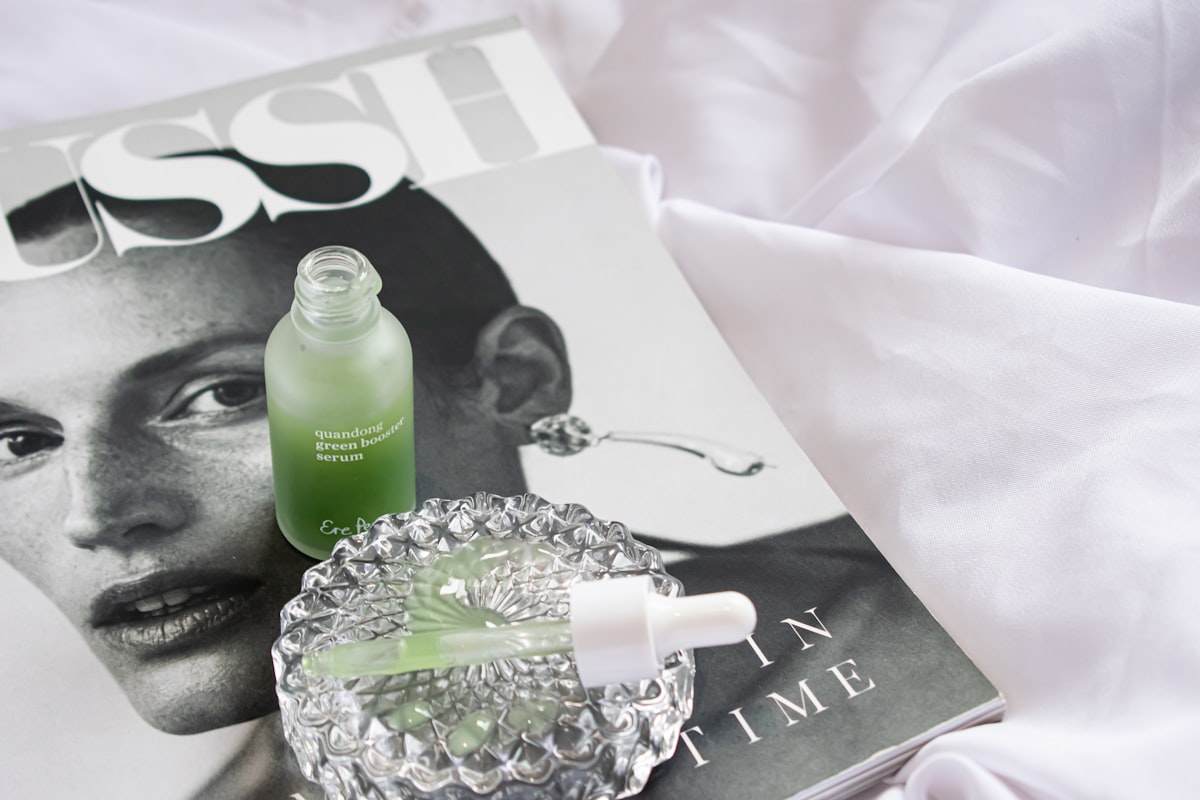
Apply peptide serum after cleansing and toning, but before heavier moisturisers and oils. This gives the peptides direct skin contact rather than having to penetrate a layer of heavier product first.
Peptides work well alongside most other actives. You can use them with hyaluronic acid, niacinamide, and vitamin C without issue. If you use retinol, apply your peptide serum in the morning and retinol at night – this gets the most from both without any interference.
One thing worth knowing: avoid mixing peptide serums directly with strong AHAs in the same step. The low pH environment can break down certain peptides before they have a chance to work. Apply them at different points in your routine, or at different times of day.
Are Peptide Serums Worth It?
In short: yes, but manage your expectations. Peptides aren’t going to deliver the same dramatic results as retinol or a chemical peel. What they do is support your skin’s natural repair processes over time – improving firmness, hydration, and the appearance of fine lines with consistent use.
The real advantage is versatility. They work across all skin types, they won’t cause irritation, and at the budget end of the market there’s no reason not to try them. For a broader look at what non-invasive treatments are generating real interest in 2026, red light therapy is another option worth understanding – searches for it were up over 300% at the end of last year.
Frequently Asked Questions
Do peptide serums really work?
Yes – topical peptides are well-supported by research for improving skin firmness and reducing fine lines with consistent use. Results typically become noticeable after four to twelve weeks. They work best as part of a consistent daily routine rather than as a quick fix.
Can you use a peptide serum every day?
Absolutely. Peptides are gentle enough for daily use morning and evening, including for sensitive skin. There’s no adjustment period or purging phase the way there is with retinol or AHAs – you can start using them immediately.
What’s the difference between cheap and expensive peptide serums?
Price usually reflects the number and variety of peptides in the formula, plus the quality of the delivery system. Budget options like The Ordinary and The Inkey List are genuinely effective, but higher-end serums often use more complex peptide combinations or better-stabilised formulas. Starting with a budget option makes sense before committing to something more expensive.
Can I use a peptide serum with retinol?
Yes – but apply them at different times. Peptide serum in the morning and retinol at night is the standard approach. Using both in the same step can reduce the effectiveness of each ingredient.